
I recently wrote about contemporary office furnishings and mentioned how many people believe that contemporary decorating means using only the color white. However, it’s not only modern styles that overlook color. Those with traditional decor also often neglect using color. So why is everyone so hesitant to incorporate color into the workspace?
 People are afraid of making a mistake. They don’t want their choices to clash or to be too bold and they want to make the best impression, while still enjoying the space they must work in each day. Another reason people avoid color is because those around them avoid it too. They have seen others fail at the attempt and don’t want to make the same errors. In order to avoid such issues, we need to see what those who use color the most already understand.
Designers and artists have used color to stir emotions for years. They have studied the psychology and understand how different colors and shades affect people. For instance, purples, blues and greens are known to be very calming and creative colors. Oranges and yellows can stimulate people and reds make some people more aggressive or energetic. All of this is good information to have when you are considering adding color to the workspace, or even to your own personal work area.
 Adding color does not mean you have to completely change your decor. Extreme change can be fun, but is not always necessary. Think about your company’s advertising color scheme and if that might work within your business as well. Color can be added to pieces of furniture or achieved by incorporating it into the overall decor. Try adding something that is easily removed like a throw pillow when you begin. That way you can embrace a little color into your space and see if it works for you. Then change it out if it doesn’t work for you. Some people choose to hang swatches of a color they want to see if it would work for the wall or the upholstery. This gives them a chance to visualize the new look without fully committing to the change. I suggest using large swatches over small for this to get a better idea of what it might truly look like.
Minor ways to add pops of color to a room:
- Flowers or plants
- Throw pillows
- Artwork
- A single furniture piece, i.e. footstool or a single chair
- Rug
- Colored office supplies strategically placed
- Personal items
- Rows of books
Major ways to add color to a room:
- Carpeting
- Furniture sets
- Paint or wallpaper
- Large pieces of art or sculpture
- Built-ins, such as reception desks
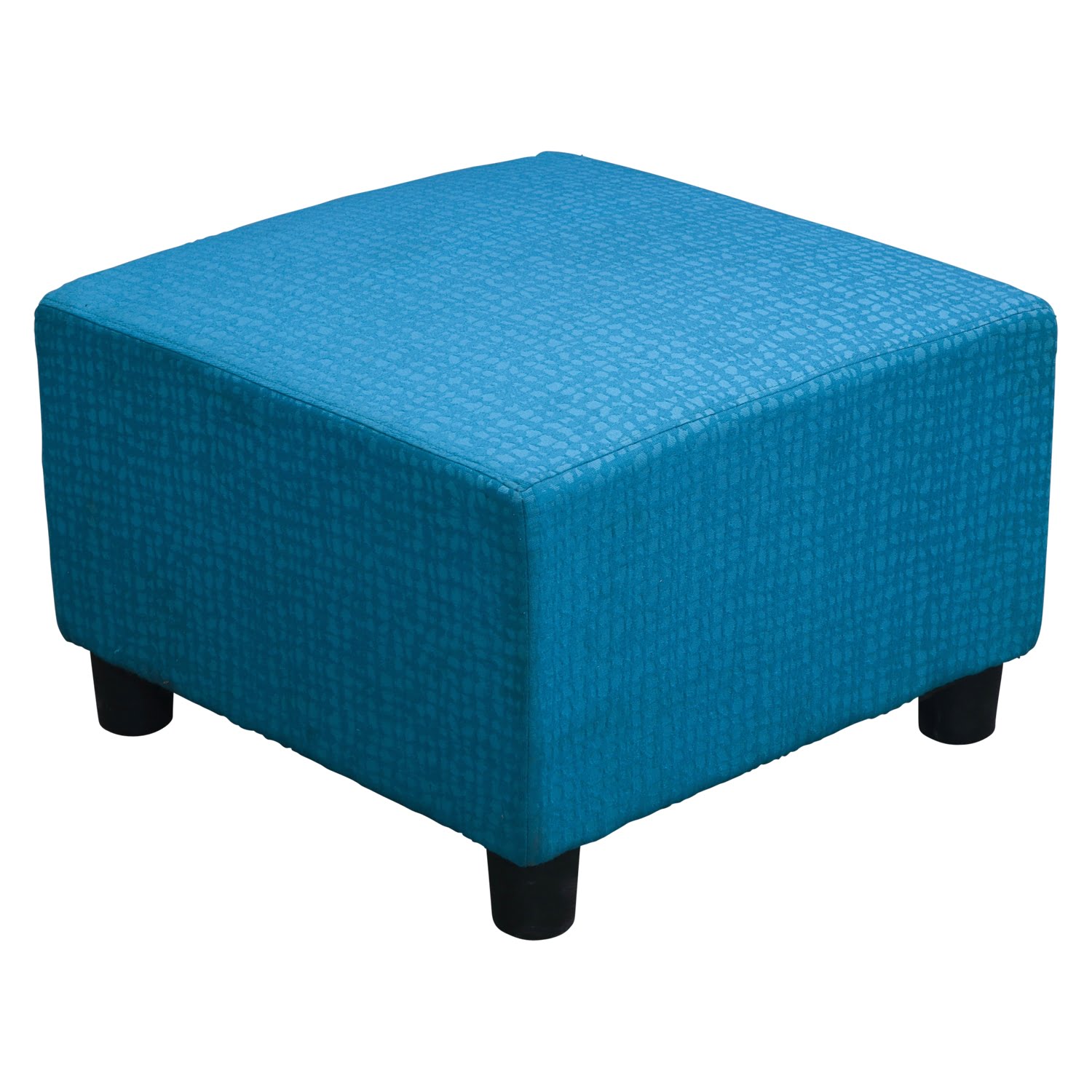 Generally, it is best not to saturate a single area like a wall in bold solid colors, especially if they are not bright. Some colors while great in small spurts or as accents are not good to use large areas. It can create an atmosphere where it is difficult to concentrate, or can cause anxiety. The same can be said for very light sterile looking areas. One way to overcome these issues is to use shades in the same color pallet in your design. This will add some dimension to the space, as well as bringing some brightness to the area.
The key is balance, not too much of any one color within the space. People have harried lives, so they generally gravitate to warm areas where the atmosphere is calming. Creamy walls with accents of browns, greens or gold work well together. While bold colors like red will really pop within lighter decors. Remember that white is also a color. If you have a dark space, consider adding pops of white to brighten up the space. Color is personal and only you can ultimately decide what to use. What’s important is to find what works best for you and go with it.
 An executive office can’t appear to be thrown together or cheaply arranged. This may give the impression that the company is struggling or won’t be around for the long term. Mismatched or outdated furniture won’t leave the right impression on visitors. They are much less likely to have confidence in executives who don’t have professional offices. This is one of the worst areas of your business to cut corners. After all, you have some of your most important meetings in your offices with clients and employees.
 Chairs are another critical part of an executive’s office furniture. An executive should have a comfortable, attractive chair. Most people choose a chair made of leather or an attractive fabric. The chair should be well-made and comfortable. The seats around the meeting table should also be comfortable and well-constructed. The chairs should not be torn or wobbly as this will make a bad impression. The table should be free of scratches and stains. The table should also match and complement the chairs.
 Short cubicles are becoming popular choices. These cubicles have the advantage of providing a private workspace while still allowing users to collaborate with colleagues easily. These cubicles don’t have to line up side by side and cover the entire floor space of the office like more traditional cubicles did. Instead, the cubicles can be arranged in small pods or line the edges of walls, depending on your company’s needs and the work environment you want to create.
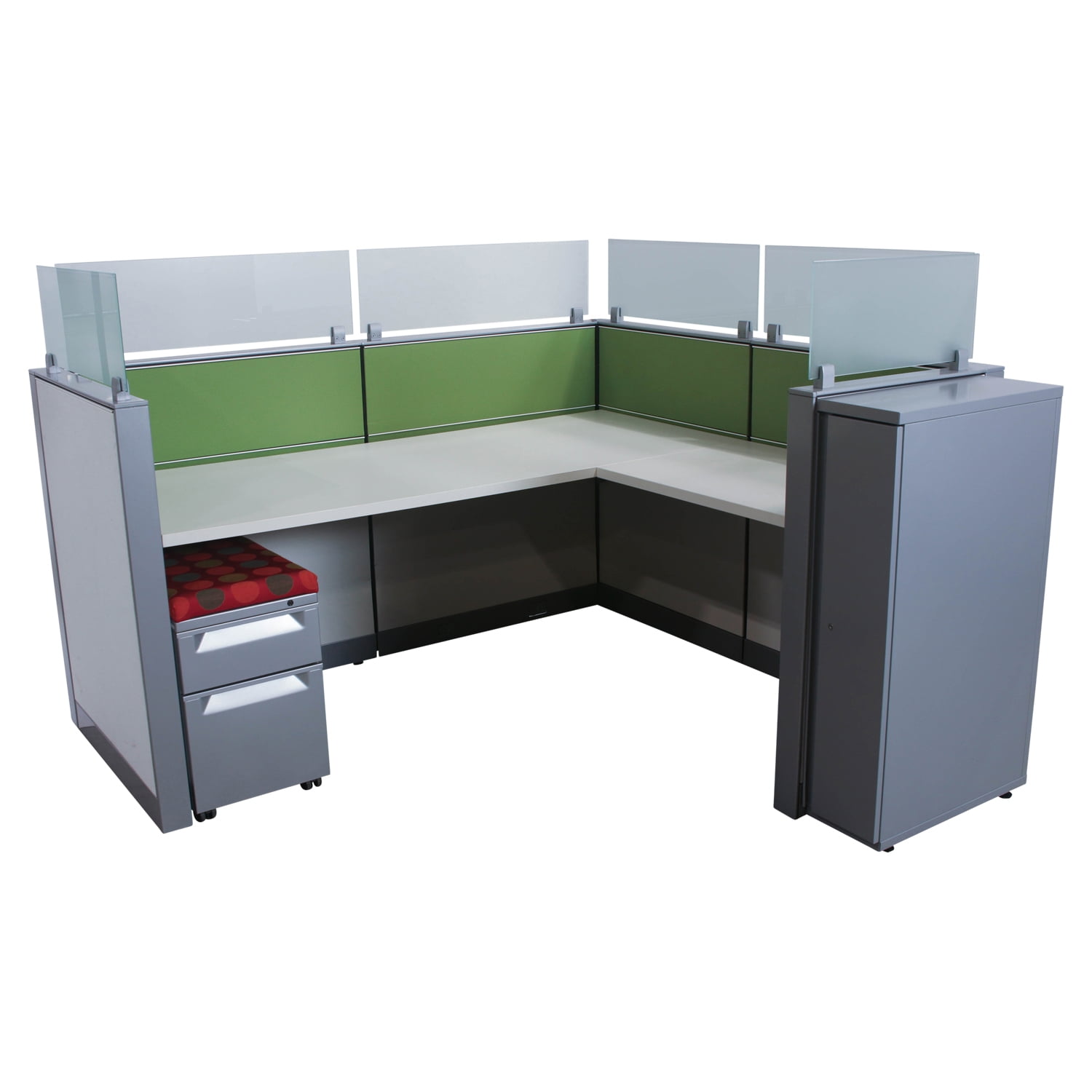 Another advantage to office furniture like shorter cubicles is that it can be quickly reconfigured to accommodate changing needs. Often, modern teams change rapidly. Workers need to move to new spaces or may temporarily relocate to a different space for a specific project. Your office furniture needs to accommodate these types of changes so that team movement and changes in size are simple to accommodate. Offices tend to change character quickly when teams change so you should create a space that is tailored to make changes.
 Many business owners add additional pieces of office furniture to the conference room for various reasons. You may find that a wide lateral filing cabinets work well in your conference room. These cabinets can also double as tables. The advantage of having a filing cabinet in your conference room is that you can easily access information that is relevant to meetings while you’re in the room. You can also store items in cabinets that you may need during some meetings but not others. These may include projectors, lecterns, notepads, pens, pencils and other relevant items. You can keep these items stored out of site when they’re not needed so that the room looks clean and neat. Then, when necessary, you’ll be able to access them quickly.
 It is important that your office furniture be functional for a number of reasons. Organization is an important part of any law office. Client files need to be stored in an accessible but confidential manner. You need to be able to get what you need quickly and there are many office furniture pieces that can help you meet that goal. There are a wide variety of file cabinets and multi-cabinet storage items that will help you and your staff members organize your office.
 Another important consideration is the conference room. You probably spend plenty of time in your conference room meeting with clients so you’ll need to thoughtfully select the office furniture for the room. The chairs should be comfortable and the table should accommodate plenty of meeting participants. You should have side tables for holding coffee, beverages and other complimentary items. Many offices have filing cabinets in the conference room to hold papers that must be readily available during meetings. Since meetings are typically collaborative events, a glass whiteboard can be an excellent piece of office furniture to have available. You can take notes and display strategies that everyone in the room can see. These products can help you make meetings more productive and help participants make decisions.

 Lateral file cabinets are great pieces of office furniture that can help you manage clutter. The files face the side instead of forward. Often, these types of file cabinets can provide you with more storage space than traditional file cabinets. You can use some of the space for file storage and the rest of the space for a variety of materials. This kind of office furniture can accommodate items in a variety of shapes and sizes. Many people use lateral file cabinets to store binders, books, manuals and promotional materials. Lateral file cabinets usually have rods that can be adapted to hang letter-sized or legal-sized file folders.
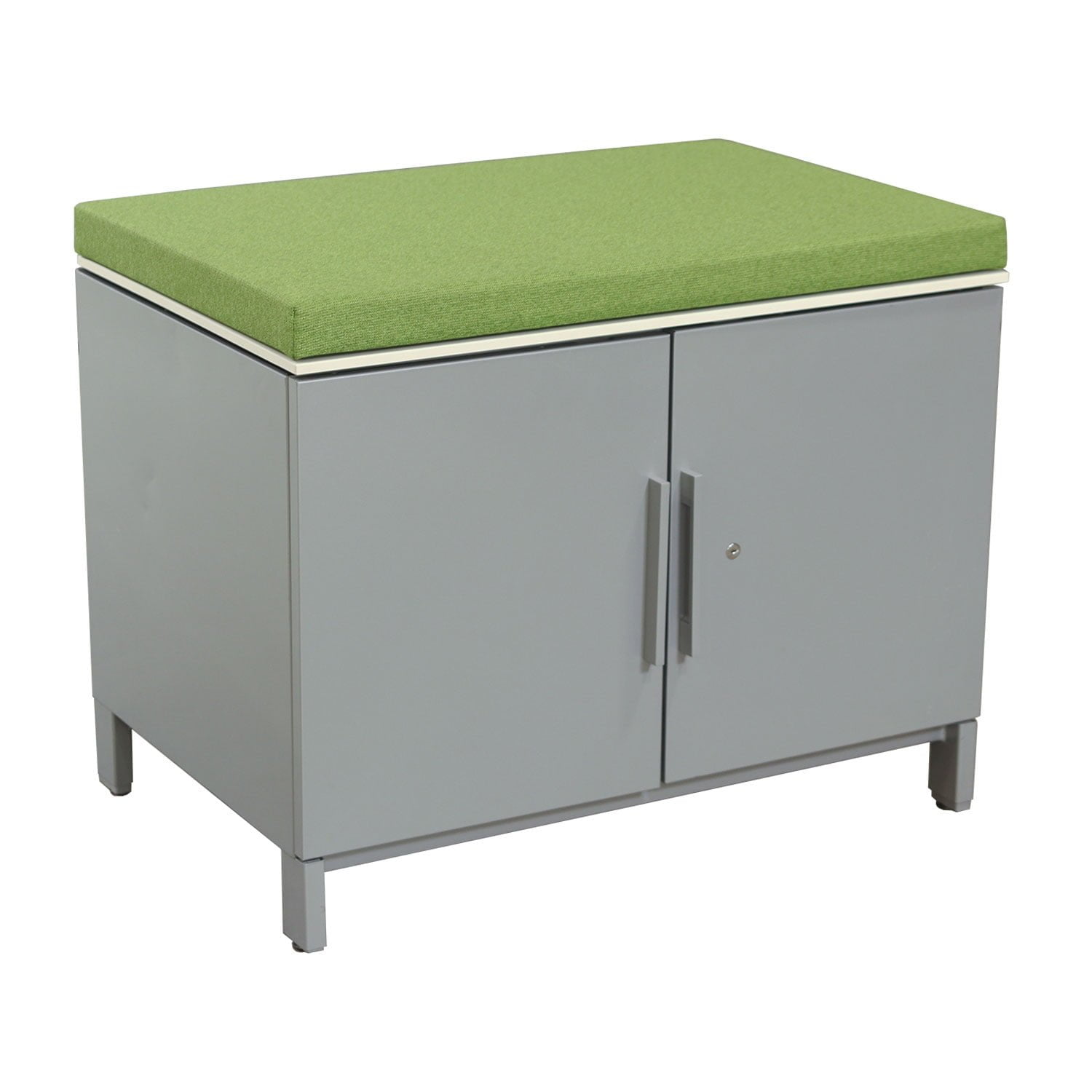 Storage cabinets are another type of office furniture that can help office workers manage clutter. These cabinets have upper cabinets with doors. They have adjustable shelves that can be used to store technology, books and promotional materials. The bottoms of the cabinets include lateral file storage drawers. Typically, the cabinet has two or three drawers. This kind of office furniture is multi-functional to help employees organize a wide variety of items. Storage cabinets are available in a variety of wood colors and grains. They can be an attractive addition to any style of office. Another advantage of storage cabinets is that the upper doors can be closed to hide clutter.
 Desks come in a wide variety of styles that can help workers manage clutter, depending on the type of work they are doing. Desk styles include single pedestal, double pedestal, L shaped desks and corner desks. L shaped desks and corner desks often feature computer corners that accommodate computers and accessories neatly and comfortably. Some desks feature computer hutches or storage hutches. These types of office furniture can greatly simplify organization. Some hutches are created to accommodate computers and feature drawers or cabinets above the computer space. Other hutches are created exclusively for storage and organization.
