
Ergonomics are often overlooked when people are procuring office chairs and that is a grave mistake. Muscoskeletal health issues impact a large part of the workforce and can cost businesses a lot of money in absences. Even the smallest deviation from a proper positioning in the way we sit or in how we situate our arms or hands, can end up causing us great pain and possible injury. This is especially true if one has a taller, shorter, or larger build and is forced to sit in a chair created without size in mind. Buying ergonomic chairs is not only good for the body, but is a smart business move overall.
When an office worker is required to sit for extended periods due to their job and does not have the appropriate chair, their health is in jeopardy. With that in mind, what exactly is necessary to make a chair ergonomically sound? When an employee sits in an awkward position too long, pain will ultimately ensue. Often their poor positioning is due to the nature of their job and cannot be prevented without finding an ergonomic solution.
 An ergonomically designed chair is created with the human body in mind. The chair should work with your body, not against it.
- Good ergonomics mean having a chair that reduces pressure on major joints in the body such as knees, the neck, shoulders, arms, legs and hips.
- The chair should become an extension of how the body functions. It should adjust to the user’s individual physical frame. This helps him or her end the day as well as they began it.
- Chairs can be selected to fit the job at hand; having the features best suited to everyday movements.
- Ergonomic chairs builders also consider their environmental impact on both personal constitution and the health of the planet.
- Ergonomics benefit businesses by saving hundreds of dollars by preventing employee injury and protecting overall health, which lowers both medical and insurance costs.
Repetitive motion is also a problem that adds stress to the body. Things like typing or using small tools that twist the arms, shoulders, or hands. Holding a telephone receiver for long hours while holding your arm unsupported can cause issues as well. You want to make sure your arms are supported and that you are sitting at the correct height for the desk you are using.
Research your needs according to your job description, shape, and size. A larger person can no more be comfortable in a chair built for a 125 pound woman, than a 5′ worker can work from a chair that is designed for a man of 6′ 6″ tall. The optimal ergonomic chair should have an adjustable height feature. It should raise and lower enough that the user can sit with both feet flat on the floor. The backrest should also raise and lower so as to fit the height of the user’s lower back. Tilt is a must for a comfortable sit.
Armrests are important. You want the rest to reach and comfortably support the arm when in a relaxed bent position. The design should include a waterfall front seat for leg comfort and should slightly tilt so that the knees drop naturally lower than the hips. The seat pan width must have enough space (at least an inch) on either side of the hips and thighs. It must also be deep enough to support, but not so deep as to put undue pressure to the back of the knees, which can cut off blood flow.
The backrest should support the spine curvature and lumbar and ideally move forward and backward, it is especially beneficial to have a tilt that responds to the movement of the body and moves accordingly. The ultimate goal is to give the appropriate support and keep the body in proper alignment.
 Criterion
 The Think chair is Steelcase’s answer to comfort. Its plastic frame also means the Think chair is lightweight and easy to move. Made with 3D knit back upholstery that is designed to move with the user’s body with what they call the integrated “LiveBack System”. It conforms to the user’s weight, so that they can settle in quickly with only a few manual adjustments. The Leap comes in two versions:
 People are afraid of making a mistake. They don’t want their choices to clash or to be too bold and they want to make the best impression, while still enjoying the space they must work in each day. Another reason people avoid color is because those around them avoid it too. They have seen others fail at the attempt and don’t want to make the same errors. In order to avoid such issues, we need to see what those who use color the most already understand.
 Adding color does not mean you have to completely change your decor. Extreme change can be fun, but is not always necessary. Think about your company’s advertising color scheme and if that might work within your business as well. Color can be added to pieces of furniture or achieved by incorporating it into the overall decor. Try adding something that is easily removed like a throw pillow when you begin. That way you can embrace a little color into your space and see if it works for you. Then change it out if it doesn’t work for you. Some people choose to hang swatches of a color they want to see if it would work for the wall or the upholstery. This gives them a chance to visualize the new look without fully committing to the change. I suggest using large swatches over small for this to get a better idea of what it might truly look like.
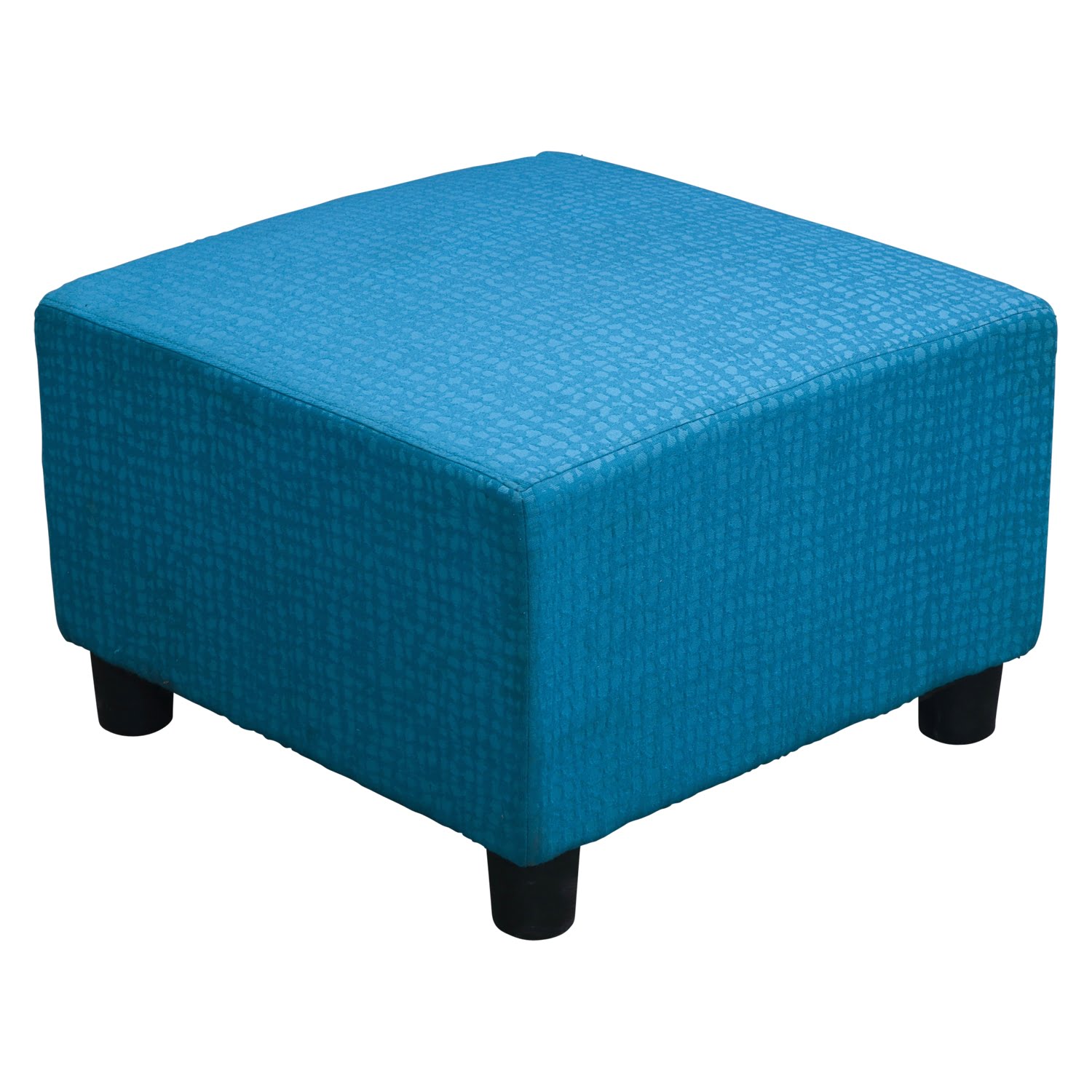 Generally, it is best not to saturate a single area like a wall in bold solid colors, especially if they are not bright. Some colors while great in small spurts or as accents are not good to use large areas. It can create an atmosphere where it is difficult to concentrate, or can cause anxiety. The same can be said for very light sterile looking areas. One way to overcome these issues is to use shades in the same color pallet in your design. This will add some dimension to the space, as well as bringing some brightness to the area.