

Your reception area is the first impression visitors have of your office. Most offices use standard reception seating with a few comfortable chairs and tables. If your company has a broad audience, including people of many different ages, capabilities and needs, you’ll need to adjust your ideas about appropriate reception seating. The old comfortable chair model won’t fit for a broad audience and you should consider some creative ideas. These include changes to seating and providing amenities for visitors.
 Your chairs should be a primary concern. You’ve probably made an effort to provide comfortable chairs for visitors or at least you think you have. What’s comfortable for one person may be very uncomfortable for someone else. Many people suffer from arthritis and other joint conditions that make it challenging for them to get up and down from low chairs. Typically, most reception chairs are low and aren’t adjustable.
Fortunately, you can offer a variety of types of chairs. There are tall chairs, almost like stools, with backs that can be covered in the same upholstery as your other reception chairs. Some reception areas place these chairs by counters so that the people sitting in them can use their computers or write like other people use tables. Higher chairs make it easier for people with joint problems to sit and stand with as little discomfort as possible.
You should also keep in mind the needs of people in wheelchairs. There should be areas in the reception area for people in wheelchairs to fit. They shouldn’t have to squeeze into odd-shaped or uncomfortable areas because there isn’t a designated space for them.
There’s always a chance that your visitors will have to wait. You should avoid delays as much as possible, but due to the nature of some businesses, emergencies may be inevitable. Sometimes, you are planning a group meeting and you have to wait on another person which causes a delay. In other cases, vendors arrive with vague appointments, hoping to speak to you if you have some time. Other people arrive significantly early. This is especially true for people who are interviewing for jobs. You should make your reception room welcoming so that if people have to wait, they won’t be uncomfortable.
It’s a great perk to have bathrooms in the reception areas so that you don’t have to let visitors into the secure areas of the building to use the restroom. There should be separate restrooms for men and women. It’s fine if the bathrooms only fit one person unless you have a large number of visitors on a regular basis. It’s imperative that the bathrooms are handicap accessible. In fact, it’s a legal requirement.
A reception room with small conveniences is pleasant for visitors. What kinds of small conveniences can you include? Charging stations are always appreciated for laptops, mobile devices and cellular phones. A phone with an outside line is helpful in case the person doesn’t have a phone or the phone doesn’t have good access in the building. If people are waiting, they’ll appreciate the opportunity to get some work done or catch up on their emails. Make sure that you have wireless access for visitors in the office. The access should be separate from your company’s wireless accounts. Create a guest wireless account that visitors can log into.
Beverages are another amenity that you can provide. They are a small gesture that signifies the importance of providing hospitality to guests. Make bottled water, coffee, hot water and a variety of teas available in the waiting room. Ask receptions to encourage visitors to take advantage of these amenities. Some companies go the extra mile and provide soft drinks as well. Encourage guests to bring the beverages along to meetings if they don’t have the chance to finish them in the waiting room.
You can put out small treats for visitors like mints, candy, nuts, small bags of chips and other types of snacks. Even if guests don’t eat them, it sends a message of hospitality. Another tactic is to put reading materials on tables. Include a variety of magazines and trade publications. You can also include some promotional materials for your company. Don’t exclusively put out your own company’s materials, although it’s fine to put out related trade publications and business magazines.
 Most modern office pieces share some similar design concepts. They are typically black, white, glass or feature certain types of wood. Chairs are often made of mesh or have unusual cushion colors. The design is minimalistic style. The overall style is simple and uncluttered. Furniture has few accents or decorations and is generally unadorned. This makes it easy to blend modern pieces together. Keep in mind, though, that modern and other furniture styles tend to clash.
 There are other details you can use in a conference room or training room to create a modern atmosphere. Did you know you can purchase glass marker boards? These look extremely modern. You can find them in unusual shapes. Some even appear to hover off of the wall which enhances the unusual effect. Whiteboards are available in a variety of styles. Some even have the capability to print the text and drawings that you have written so that you can save the information.
 Another important element when it comes to chairs is comfort. People are much less productive when their office furniture doesn’t feel good. Chairs should have comfortable arms and backs; the backs should fit the environment and person. In warmer climates or offices many prefer a mesh back, others a solid padded back. Most people prefer to have wheels on their office chairs, so they can be mobile and easily maneuver at their desk.
 What are the elements of good ergonomic seating? Seats should be adjustable to meet the needs of differently sized and shaped workers. The first is lumbar support; Steelcase and Herman Miller have excellent lumbar support that the most petite worker and heavier team members will be comfortable in. There are chairs that are designed to provide support for the person’s lower back. These chairs also relieve the stress on these areas of the back when the person is sitting.
 Lateral file cabinets are great pieces of office furniture that can help you manage clutter. The files face the side instead of forward. Often, these types of file cabinets can provide you with more storage space than traditional file cabinets. You can use some of the space for file storage and the rest of the space for a variety of materials. This kind of office furniture can accommodate items in a variety of shapes and sizes. Many people use lateral file cabinets to store binders, books, manuals and promotional materials. Lateral file cabinets usually have rods that can be adapted to hang letter-sized or legal-sized file folders.
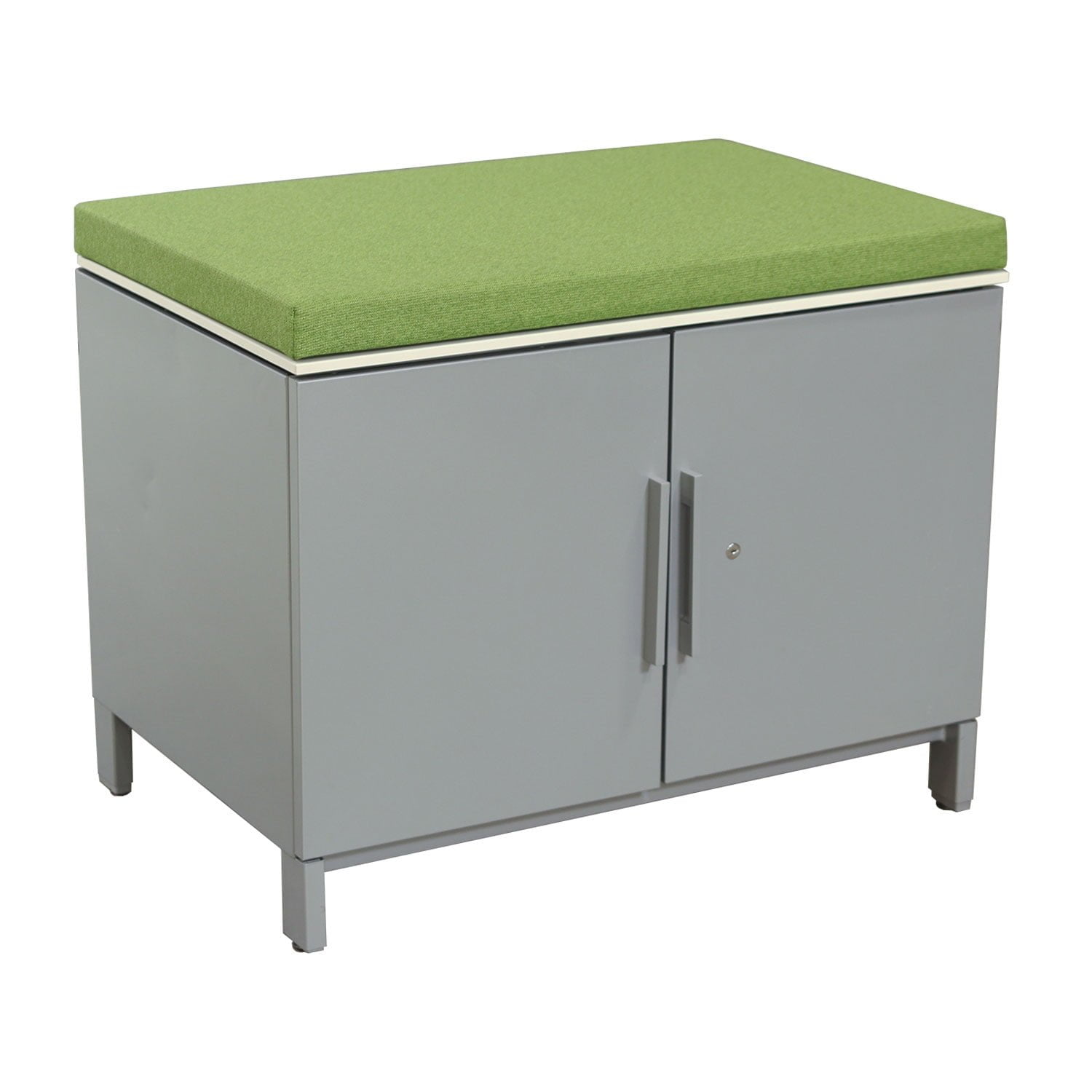 Storage cabinets are another type of office furniture that can help office workers manage clutter. These cabinets have upper cabinets with doors. They have adjustable shelves that can be used to store technology, books and promotional materials. The bottoms of the cabinets include lateral file storage drawers. Typically, the cabinet has two or three drawers. This kind of office furniture is multi-functional to help employees organize a wide variety of items. Storage cabinets are available in a variety of wood colors and grains. They can be an attractive addition to any style of office. Another advantage of storage cabinets is that the upper doors can be closed to hide clutter.
 Desks come in a wide variety of styles that can help workers manage clutter, depending on the type of work they are doing. Desk styles include single pedestal, double pedestal, L shaped desks and corner desks. L shaped desks and corner desks often feature computer corners that accommodate computers and accessories neatly and comfortably. Some desks feature computer hutches or storage hutches. These types of office furniture can greatly simplify organization. Some hutches are created to accommodate computers and feature drawers or cabinets above the computer space. Other hutches are created exclusively for storage and organization.
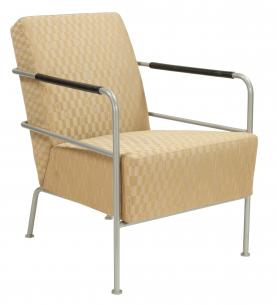 Your chairs should blend in naturally with the other office furniture, such as the reception desk and tables. They shouldn’t clash or look like they were bought cheaply at a yard sale. Most of all, the chairs should be comfortable. No one likes to sit in a stiff or lumpy chair. The chairs should be in good condition as should the rest of the chairs in your office. Good chairs will keep your visitors content and relaxed while they wait. Groups of people shouldn’t feel cramped while they are sitting.
 Style is an important consideration when it comes to office furniture. Consider how the office furniture will blend in with your existing decor. You can find chairs in a variety of styles including modern, classic and art deco. Some chairs feature wood which should coordinate with the other types of wood in the office. If you try to put different types of wood together, they may clash and create an unattractive and unprofessional appearance.
 Office chairs can be a big investment simply because of the number of chairs you will need to purchase. If you have a conference room, you’ll need an appropriate amount of seating. Managers need seats for meetings in their offices. And, of course, each employee will need a seat. The last thing you want is an office full of people scrounging for office chairs.
 You can find reasonably priced office chairs if you shop carefully. Avoid large office store chains because the price markup is usually significant. Also, don’t limit yourself merely to brand new chairs. Some companies offer high-quality, re-conditioned chairs that are attractive and stylish. Before choosing office chairs, be sure to consider the look of your office in general. Make sure the office chairs blend in appropriately with the other furniture including desks and conference tables.