
Employers are learning the importance of collaboration more and more all the time. It used to be that employees simply receive tasks from their managers and completed them as directed. That approach doesn’t work in the modern world because the fast-paced, ever-changing business world requires input from many different people. Gone are the days when managers made all the decisions. Today, teams collaborate to make recommendations, share information and complete work as teams instead of as individuals. This approach allows the company to integrate information from all members of the workforce.
What are the benefits of collaboration? There are many if it is done properly. It helps engage employees and makes them mentally and emotionally invested in the company and its goals. A company like this has passionate employees that increase the odds of success. Collaboration also helps the company work much more efficiently. People can communicate quickly which allows them to complete their work much faster. It reduces the likelihood that work will be duplicated, as it often is in large companies. When people communicate openly with one another, they’ll know who is doing what and they can coordinate their projects accordingly.
Decision-making changes in a collaborative environment. Employees have the opportunity to give input into decisions. When they do this, they are much more likely to buy into decisions. Even if employees don’t make the final decision, the decision-making process will be clear and they’ll understand how the decision was reached.
How do executives make collaboration work? The configuration of the office space helps encourage collaboration in the workplace. It’s common for companies to separate people based on the type of work they do. For example, information technology people are often separated from employees in more creative fields. In real world projects, these people need to communicate openly and often for projects to be successful. This is difficult if the employees are separated physically. Open-space areas and closer seating allow these workers to collaborate more easily so that they can discuss projects and work on tasks together.
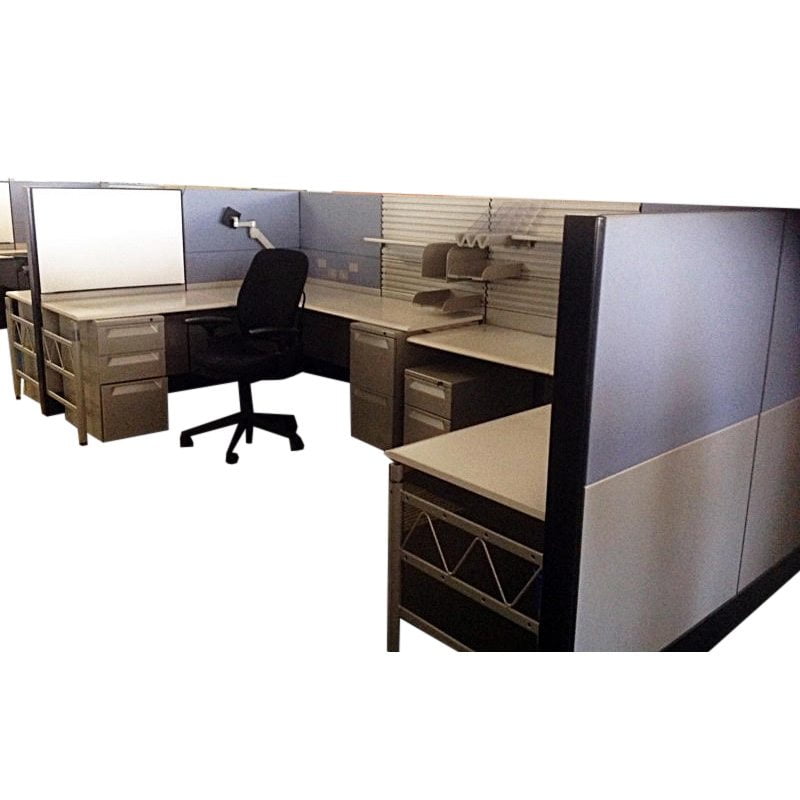 There needs to be a dedicated, open space for the team to collaborate. They won’t be able to work together if they aren’t close to one another. Team members can’t work together from cubicles or desks that are far away from one another. The collaboration area needs to be far away another from other desks and cubicles. This is important because other employees won’t be able to concentrate and complete their work if there is too much noise around them. The collaborating team shouldn’t feel restricted in terms of talking because there are other people around them. Some employers choose to put teams in designated rooms so they won’t disturb others. Other employers designate open space areas for teams that are located far from private work stations.
Teams need to be provided with the appropriate furniture so that they can collaborate properly. In some cases, the solution might be conference tables that allow team members to plug in technology that they need to do their jobs. These open-area work spaces work well for group discussions and project work. They may need other technology such as video conferencing tools, specific systems that work with the team’s needs and phones with conferencing and multi-line features. There needs to be adequate seating for everyone on the team. Keep in mind that the team structure may change over time. It may increase or decrease in size over time. There may be visitors. You should have extra chairs available for these circumstances.
Collaboration may require furnishings in addition to open-area furniture. Larger cubicles that seat more than one person may be the answer for some groups. It’s easy to find cubicles that seat two people. Another alternative is to buy cubicle panels in a variety of sizes. This gives you the option of creating cubicles in a variety of configurations. You can choose to create cubicles that seat larger groups. In other cases, you may find that short cubicles that seat one person allow for easy and simple communication throughout the group. However you decide to structure the physical space, consider how the team will need to communicate and tailor the space for the team instead of making the team adapt to an already existing environment.
 Most modern office pieces share some similar design concepts. They are typically black, white, glass or feature certain types of wood. Chairs are often made of mesh or have unusual cushion colors. The design is minimalistic style. The overall style is simple and uncluttered. Furniture has few accents or decorations and is generally unadorned. This makes it easy to blend modern pieces together. Keep in mind, though, that modern and other furniture styles tend to clash.
 There are other details you can use in a conference room or training room to create a modern atmosphere. Did you know you can purchase glass marker boards? These look extremely modern. You can find them in unusual shapes. Some even appear to hover off of the wall which enhances the unusual effect. Whiteboards are available in a variety of styles. Some even have the capability to print the text and drawings that you have written so that you can save the information.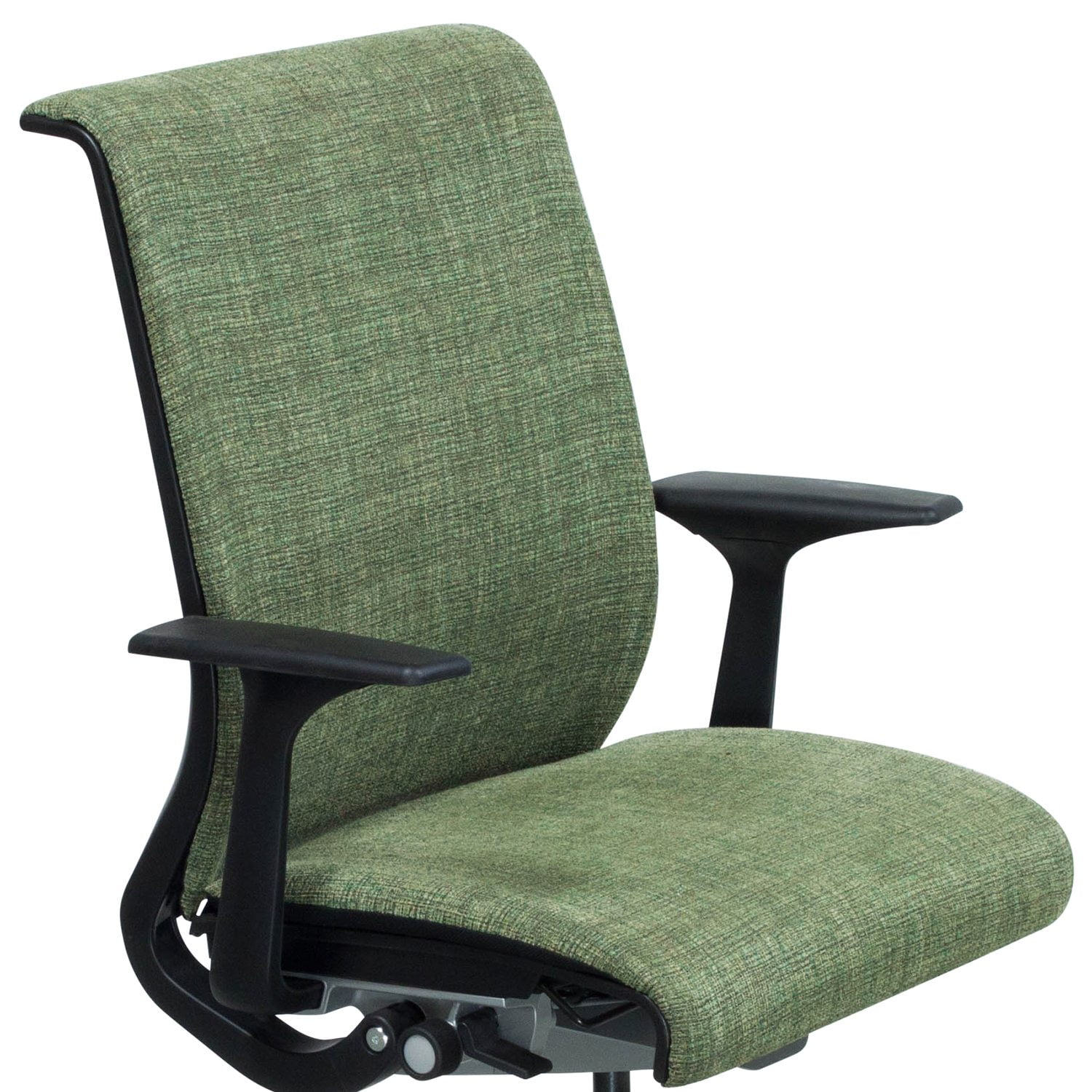
 Open spaces have become popular as companies have realized the importance of collaboration in the workplace. When workers don’t have open spaces to meet and work together, they will be less likely to share information and ideas. If this kind of sharing doesn’t happen, the company is at a disadvantage. They lose inspiration that is fostered by collaboration. Employees are isolated and don’t feel connected to one another.
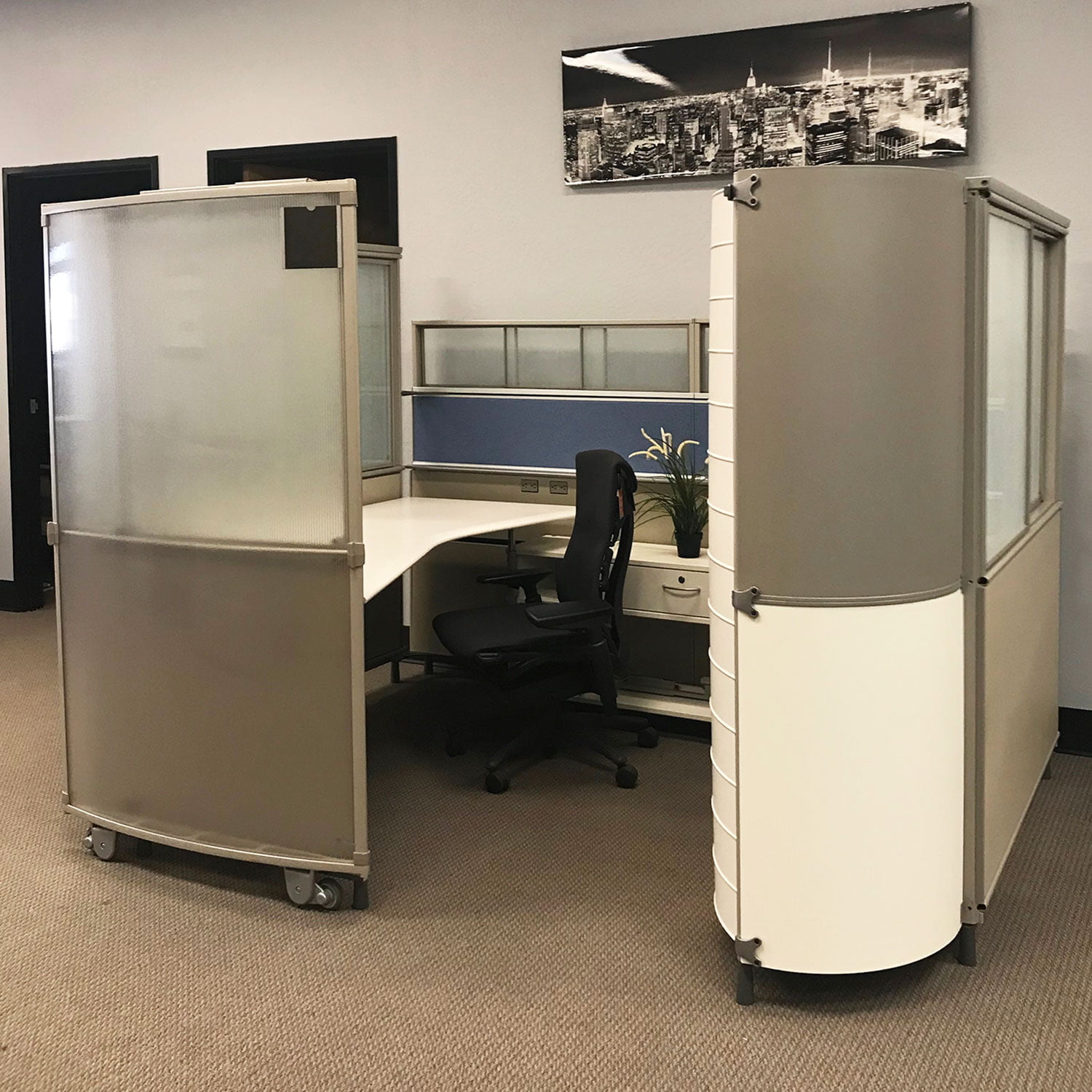 Why are cubicle office spaces important? One important reason is that they provide workers with privacy which can be hard to come by in open office spaces. Even the most outgoing and creative employees need some privacy to get their work done. Other types of jobs require a great deal of quiet and privacy so that employees can complete their tasks. Cubicles can be constructed that deter foot traffic and cut down on the number of interruptions that employees experience. This is extremely valuable because it helps workers concentrate and complete their work.
 Ergonomic chairs are available in a wide range of fabrics and styles that can fit in with any office design. You aren’t limited to merely buying ergonomic office chairs. Other types of ergonomic chairs are available. These include meeting chairs, waiting room chairs, conference room chairs and even in raised stool styles. You can find comfortable seating for almost any situation.
 Decoration can make a big difference. A fun, stylish break room can make the space fun and attractive. Painting the room different colors from the rest of the building will help it stand out from working parts of the office. Consider colors and styles that don’t match the rest of the building. You can furnish the room with fun and functional furniture in a variety of styles. There is no reason you need to have to use standard corporate furniture in the break room. Explore more options. What about pub tables and stools in parts of the break room? Don’t try to design a plain break room.
 The key to a productive workplace is building appropriate balance between group spaces and individual working areas. Both need to be present so that the office can be as productive as possible. Open space areas are still important so that people can collaborate. However, there need to be private areas as well. There also need to be spaces that teams can meet privately and work quietly without distractions. Spaces for personal conversations also need to be available.
 Taller cubicles are also good options for private work spaces. The higher walls help block out noise and indicate a private area to the people in the area. You can also purchase cubicle workstations for individuals or two people that provide private space for getting computer or desk work completed. Cubicles don’t work for every privacy issue. They can’t provide shield personal or confidential conversations. Sometimes, complete privacy is necessary. Often, managers or employees need to make phone calls individually or in groups that can’t be overheard. In these cases, companies can provide small rooms with doors that shut and lock. Rooms can be reserved if necessary. People can use the rooms to place calls without anyone overhearing what they are saying so that sensitive information won’t be overheard.
 We often do not take into consideration how profitable a mobile desk can be in any workplace. This is especially true in innovative circles; places like ad agencies or where creative engineers gather. Imagine rolling your work area to where the meeting is, so that all can collaborate on projects together. Mobile desks allow that to happen as often as is needed. This means an elaborate creative project does not have to be carried from one area to another; it can be rolled to the very spot in which it’s needed. It also means that everyone can be immediately working on what is in front of them, all at the same time, without delay.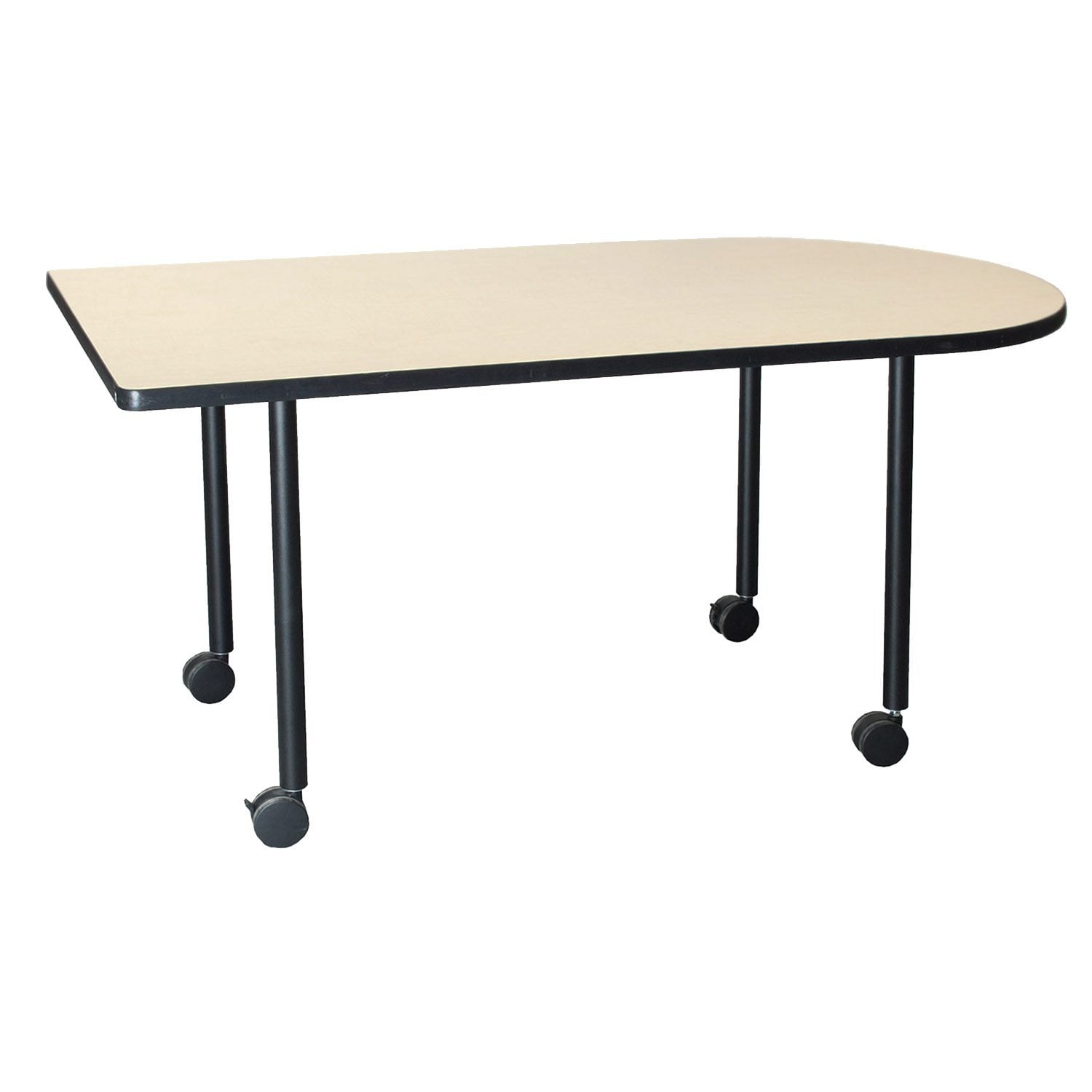
 Short cubicles are becoming popular choices. These cubicles have the advantage of providing a private workspace while still allowing users to collaborate with colleagues easily. These cubicles don’t have to line up side by side and cover the entire floor space of the office like more traditional cubicles did. Instead, the cubicles can be arranged in small pods or line the edges of walls, depending on your company’s needs and the work environment you want to create.
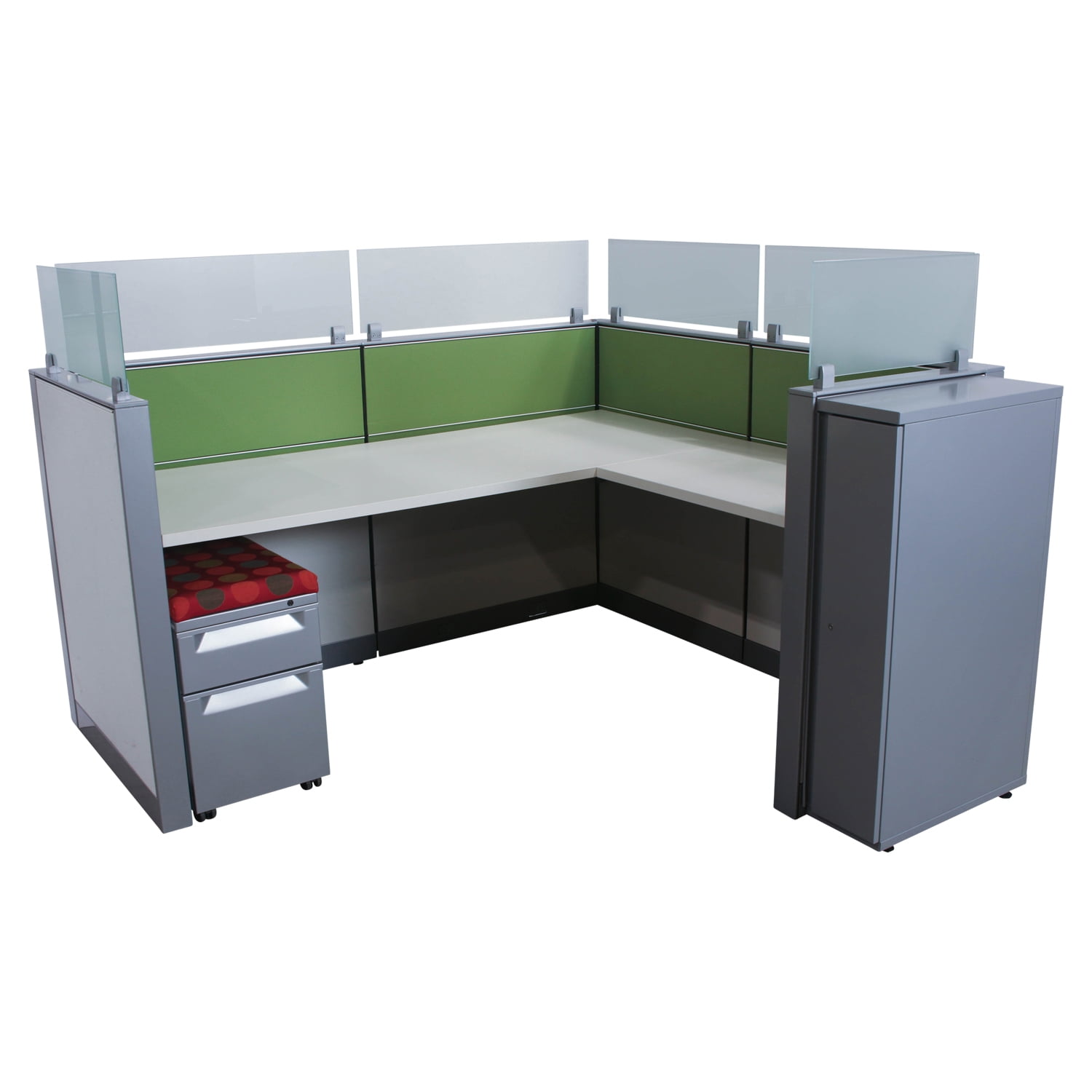 Another advantage to office furniture like shorter cubicles is that it can be quickly reconfigured to accommodate changing needs. Often, modern teams change rapidly. Workers need to move to new spaces or may temporarily relocate to a different space for a specific project. Your office furniture needs to accommodate these types of changes so that team movement and changes in size are simple to accommodate. Offices tend to change character quickly when teams change so you should create a space that is tailored to make changes.
 Many business owners add additional pieces of office furniture to the conference room for various reasons. You may find that a wide lateral filing cabinets work well in your conference room. These cabinets can also double as tables. The advantage of having a filing cabinet in your conference room is that you can easily access information that is relevant to meetings while you’re in the room. You can also store items in cabinets that you may need during some meetings but not others. These may include projectors, lecterns, notepads, pens, pencils and other relevant items. You can keep these items stored out of site when they’re not needed so that the room looks clean and neat. Then, when necessary, you’ll be able to access them quickly.