
An office which is poorly lit makes for an uncomfortable working environment. Also, many companies will have different types of lighting depending upon what type of work is done in the office. There are some common things to take into consideration when choosing what kind of lighting is needed for the office though. The different factors involved can make for a wrong lighting decision and cause lighting issues so you need to consider functionality along with style.
Below is some advice on lighting up the office:
 Choose the right bulb: This is the first thing to decide about is choosing the right light bulb. Bulbs are measured for intensity and color according to the Kelvin scale. So the balance of the light provided by bulbs with these considerations is important then so that lights in an office create the same color temperature throughout the office. Also, the wrong light bulbs can create a work environment which is boring because they can make an office almost mechanical in appearance. A 6500K florescent bulb is the best lighting and a low intensity light on the desk will improve the clarity of work.
- Use task lighting with overhead lighting: Task lighting bulbs which have a low glare are good because of health considerations. Because using strong overhead fluorescent lighting can be the cause health issues dealing with hyperactivity and sleep problems. Gooseneck lamps are the best source of light for a desk then because these task lights can be directed where they’re needed.
- Choose the right size of bulb: The size of your office will determine the size of the light bulbs that you need because bigger bulbs will have more watts. If you have a small office, then you’ll buy small bulbs. If you have a large office, then you’ll need large bulbs. So how big your office is will decide the intensity of the bulbs that you will need to use. Considering how big your office then is an important part of deciding what is the appropriate lighting needed.
- The use of indirect lighting: Direct lighting can cause eye strain as well as severe headaches. Side lamps can help with this problem at a computer desk. If you have both types of lighting, the overhead lights can be turned off and just the side lamps used. Be sure to distribute the lights evenly around the office so it reaches all the corners or you’ll have a scary sci-fi effect.
 Choosing neutral colors: The colors you paint your walls can have an effect on your lighting. Don’t choose bright or dark colors, stay with neutral. Colors which are neutral reflect less light and work well with modern office lighting.
- Using natural light: Natural lighting comes with health benefits as well. It plays an important role when choosing the lighting for your office. If you want to mix natural lighting with artificial lighting then, be sure to purchase low-wattage task lights too which are warm colored to enhance workspace clarity. If your office doesn’t have access to natural light, then purchasing bulbs which mimic natural light is a good idea.
- User control: It’s important for each person to have control of a light source. Each individual will have different lighting needs. Additionally, employees may need different types of lights throughout the workday. This is especially true if they have multifaceted workloads that they are keeping up with. By providing different light sources though, then the users have control and they’ll be able to choose which lighting source that they would like to use.
- The age of the employee: if you have employees over the age of 50, the requirements for light is double of that of 25-year-olds. So, keeping this in mind before making any major purchases will save you money in the long run from lower productivity from inappropriate lighting. Ask your employees how the current task lighting is working for them too and what you could do to improve the lighting situation. This will help you to make the right decisions when making your task lighting purchase.
The lighting in your office can make a difference in your office production.
References:
https://nationalofficeinteriors.com/product-category/accessories/lighting/
https://nationalofficeinteriors.com/product-category/desks/executive-desk/
https://nationalofficeinteriors.com/product-category/desks/computer-desks/
 The color scheme of an office sets the ambiance for the environment. Like music, the office decor can have an influence on many aspects of employee behavior including energy level, productivity levels and people’s relaxation level. The right color choices can also reduce employee stress, which is an important goal for employers. Too much stress affects the quality of work.
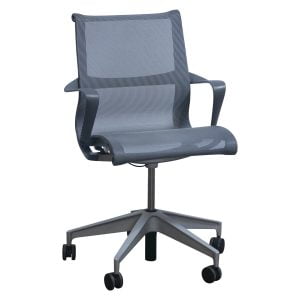 Gray is a popular choice for cubicles, chairs, rugs and modular furniture. You’ve probably noticed this type of furniture in many offices. Office planners typically purchase matching furniture so that cubicles can be rearranged to accommodate new staff arrangements. Some chairs are gray and other times the chairs are black. Typically, they match so that when areas are rearranged, the setup is similar.