
Motivation is a complicated issue. It involves many different factors such as management style, team structure, feedback style, goals and job fit. Motivation also may include office culture, potential for growth within the company and many other factors. It’s impossible to list all the things that can motivate employees. As an employer, you need to address as many motivational issues as possible. One of those is the space that your employees work in. If you can create a motivational space, it will work wonders on your employees.
Think about some of the least motivating places you’ve ever worked. The colors were likely drab and dull. People were separated and cut off by cubicles with full walls. Office areas were simply rows and rows of cubicles. There were few areas for interaction among employees. You felt separated from everyone and almost like you were alone. Workplaces like this are simply depressing. If you want to motivate employees, you need to avoid creating a space like this. Instead, strive to create a space that increases interaction and reduces feelings of isolation.
A first step is to create areas where employees can meet informally such as lunchrooms and break rooms. These areas allow people to relax and unwind. They can talk with their colleagues about something other than work. Larger companies often have cafeterias that offer a wide selection of food.
They usually have extended hours so that employees on different schedules can stop by for breakfast and lunch. Some cafeterias even offer dinner, depending on the company’s schedule. Another similar perk some workplaces offer are coffee stands with gourmet coffees. Most of these stands offer muffins, scones and other small treats in addition to coffee. Employees can visit the coffee bars on breaks. Sometimes, teams may get coffee and meet afterwards. Managers and employees may do the same thing when meeting. It creates a more informal environment. Keep in mind that employees will pay for food and drinks at cafeterias and food stands which helps defray some of the costs involved.
Dark spaces are de-motivating. Brighter spaces will help you achieve more motivation. If possible, pull down barriers around windows so that plenty of light is available in the office. If your office doesn’t have a lot of windows, place lamps in strategic areas around the office. Consider providing each worker with a lamp for his or her desk space. The brightness will help employees stay alert and engaged throughout the day.
Open areas in the office can be motivating if they are used appropriately. Employees need some space for private work. However, open spaces with tables and group desks help build collaboration among employees. This can be extremely motivating in the right circumstances. Workers can talk openly about projects rather than relying on emails and playing phone tag. Group conversations can stimulate new ideas and excitement about projects which can ultimately lead to improved work.
A workspace that recognizes achievements can be extremely motivating. There are a variety of ways you can do this. Never put up charts that promote employee competition with statistics. Instead, recognize the best employee achievements of the week with congratulatory signs. Announce special accomplishments not only in person but with public certificates, plaques or other awards. Make a special effort to recognize all achievements, not just those by certain employees or teams.
Many workplaces use motivational quotes and posters to help improve the attitudes of team members. This can work well if it’s done effectively. However, many motivational posters are overused and employees have seen them dozens of times. Some employers put up a poster and leave it up for years. It’s important to take a fresh approach. Find unusual posters or quotes and rotate them throughout the company so employees don’t look at the same thing for years.
You can also ask team members to provide inspirational quotes for the office on a rotating basis. Individuals can find quotes that inspire them and submit the quotes for approval. They can create them on design software and print them out on high-end paper. You can hang them in the office for a designated amount of time. After that time, another team member can create the next inspirational quote for the office.
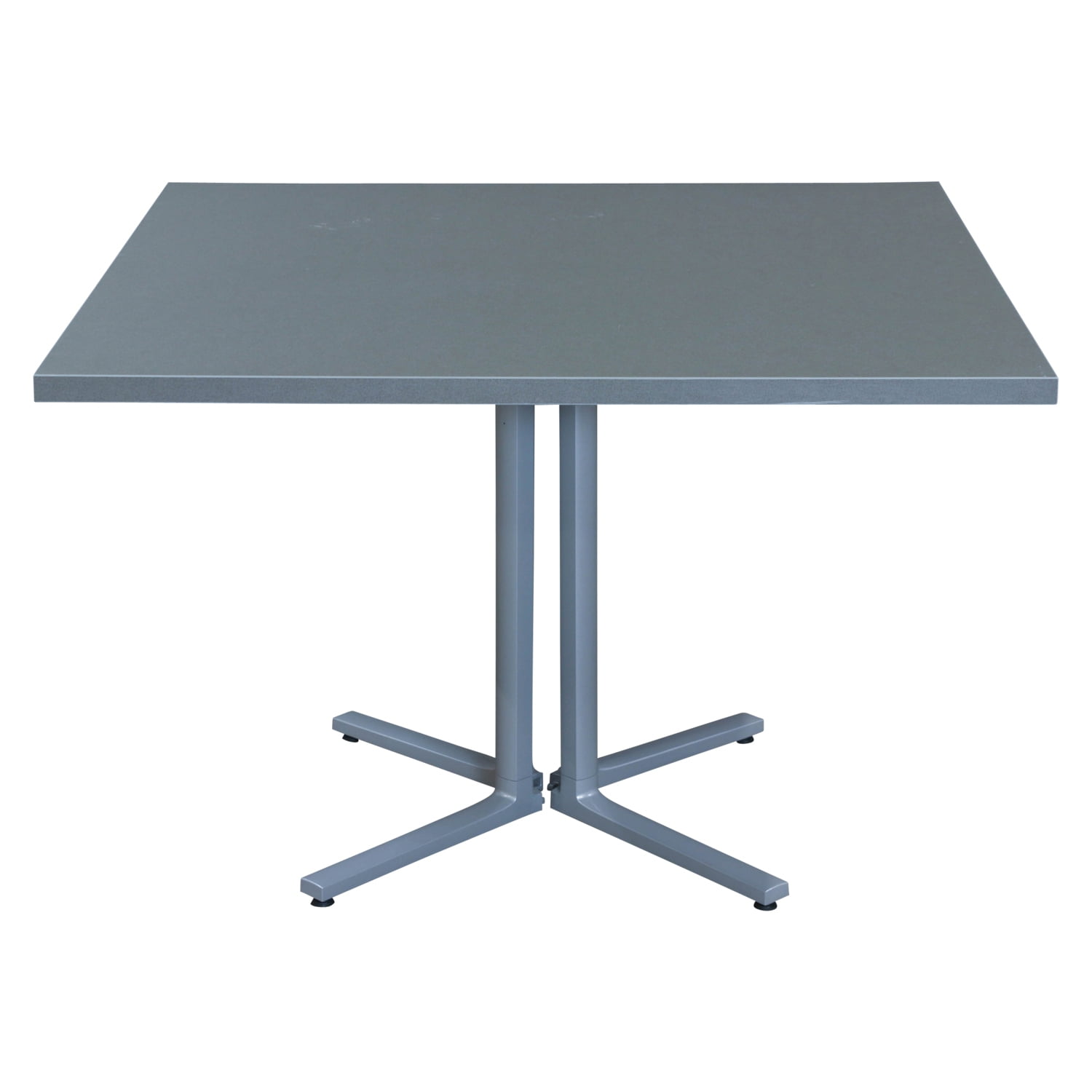 Collaboration is a key part of modern workplaces. People typically work on teams and these groups needs places they can meet together as a team. Sometimes these teams change on a rapid basis so it doesn’t make sense to seat the people together permanently. This is why it’s important to create collaboration areas in the workplace in several different places around the company. Often, these are large tables configured for meetings. These tables also double as workstations and allow team members to hook up computers and other necessary technology for project work. These collaboration areas allow employees to work together easily.
 What about motivational quotes? They’re popular in many workplaces. Do they really work? They can if they are used correctly. It’s important that the quotes aren’t overused motivational posters that everyone’s seen. The motivational quotes need to be relevant to the company and the type of projects that employees work on. Motivational quotes can be on posters, plaques, screen savers, white boards, television monitors and other easily viewed areas. Not only should the motivational quotes be unique, they shouldn’t stay in the same place for too long, otherwise, employees won’t notice them after a while. Rotate motivational quotes on a regular basis so that everyone has the chance to see something new.